Slovo skladatele ke skladbě Artemis
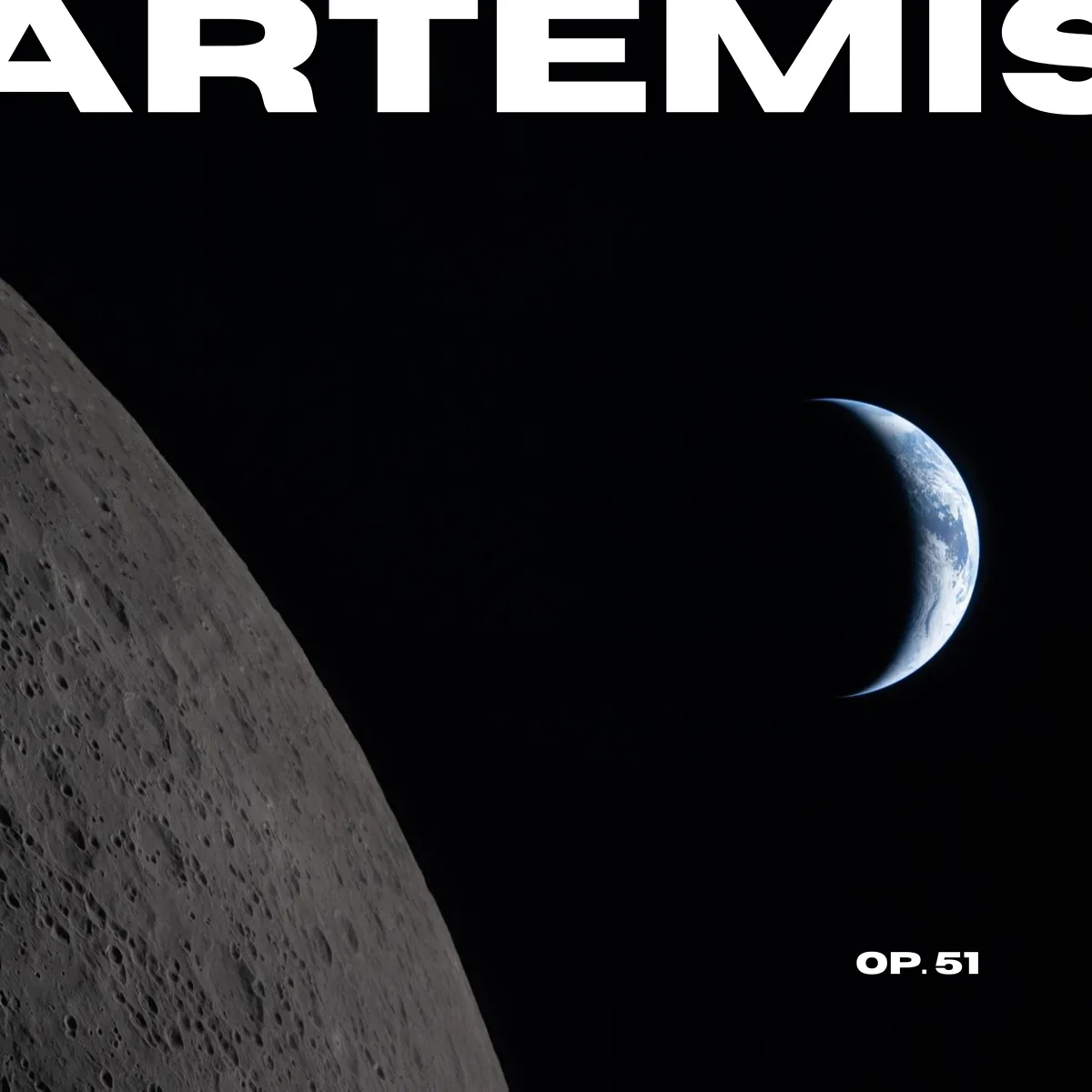
Artemis je symfonická báseň napsaná k připomenutí mise Artemis II agentury NASA, která byla zahájena 1. dubna 2026. Tato mise představuje vzácný a zásadní okamžik v našich životech — moment, kdy se ambice lidstva stát se multiplanetárním druhem začínají skutečně proměňovat v realitu. Sledování startu pro mě bylo silným zážitkem plným očekávání, avšak nejhlubší dojem ve mně nakonec zanechaly samotné snímky z mise. Když jsem poprvé uviděl fotografii, která se nyní nachází na obálce této skladby, okamžitě jsem pocítil potřebu převést její atmosféru do hudby.
Místo zachycení jediné fotografie se však Artemis postupně proměnila v plně programní skladbu, která sleduje emocionální a symbolický oblouk celé mise.
Skladba začíná napjatou, téměř zdrženlivou energií. V pozadí zní militaristický rytmus bicích, který odráží nervózní očekávání okamžiků před startem. Toto napětí je náhle uvolněno výrazným fanfárovým motivem, jenž symbolizuje samotný start. Následují vířící pasáže fléten a smyčců, do nichž jsou jemně vetkány odkazy na národní hymny Spojených států a Kanady — jako připomínka mezinárodní spolupráce této mise.
Ve chvíli, kdy se kosmická loď dostává na oběžnou dráhu, hudba se náhle zklidňuje. Objevuje se lyrická pasáž sólových smyčců: téma Země. Nostalgické a introspektivní, odráží krásu našeho domova i emocionální tíhu jeho opuštění. Toto téma je variací hlavní melodie ze čtvrté věty Symfonie č. 2 Jeana Sibelia, což by pozornému posluchači nemělo uniknout. Postupně se téma přesouvá napříč orchestrem, řídne a rozplývá se, jak loď opouští oběžnou dráhu Země a míří k Měsíci.
Tento přechod uvádí sólové housle, tentokrát doprovázené dechy. Z této textury se rodí téma Měsíce, které doprovází přiblížení a průlet astronautů kolem něj. Následuje jemnější verze tohoto tématu ve smyčcích, evokující ticho a odcizenost lunární krajiny. Tato část je do značné míry inspirována závěrečnými pasážemi díla Verklärte Nacht Arnolda Schoenberga, jak v harmonickém jazyce, tak v pocitu zastaveného času.
Jak se mise obrací zpět k Zemi, Měsíční téma se vrací v plné podobě, tentokrát však rozšířené. Objevuje se nový motiv — jemně inspirovaný dílem Rapsodie v modrém George Gershwina. Tento prvek nese pocit loučení, avšak nikoli definitivního — spíše naznačuje, že jde teprve o začátek lidské přítomnosti mimo Zemi.
Téma Země se znovu objevuje a postupně sílí, jak prochází orchestrem, až vyústí v závěrečné vyvrcholení skladby. Při návratu do atmosféry se vracejí vířící flétny a smyčce spolu s fragmenty hymn a úvodní fanfáry. Skladba končí v explozivním orchestrálním barevném gestu, které zachycuje jak triumf návratu, tak přetrvávající hybnou sílu lidského objevování.