Umělecká cesta Petra Geršla
Kompletní retrospektiva nezávislého českého skladatele, sledující přechod od raných samouckých klavírních studií a minimalistických experimentů k vyzrálé, rozsáhlé orchestrální architektuře.
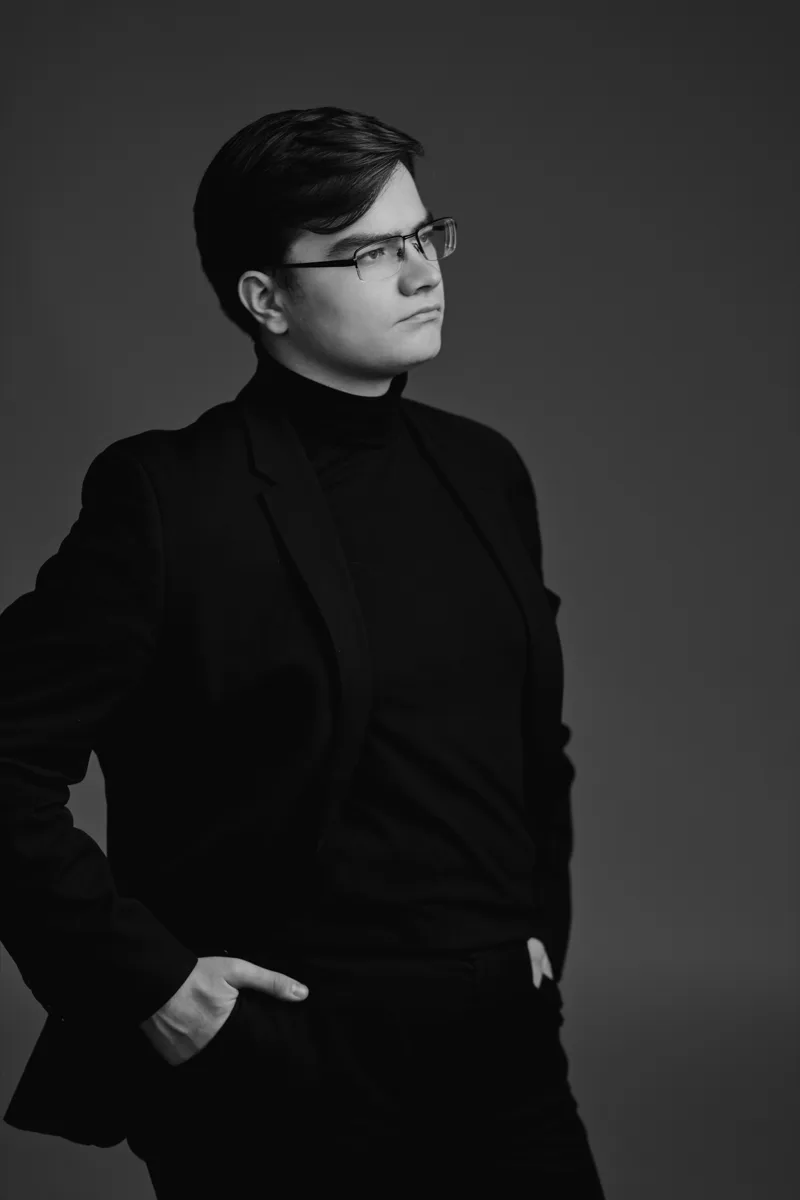
Přehled a pozadí
Petr Geršl (*2005) je český amatérský skladatel, klavírista, varhaník a aranžér, který v relativně krátkém čase vytvořil rozsáhlé a žánrově pestré dílo. Hudbě se začal aktivně věnovat ve svých patnácti letech. Hru na klavír studoval na základní umělecké škole, kterou však z důvodu neshod s pedagogy a vedením nedokončil. Další hudební vzdělávání – jak v oblasti hry na nástroje, tak v oblasti kompozice – probíhalo již výhradně formou samostudia.
Vývoj stylu a klíčové okamžiky
První kroky a nevydané experimenty
První skladby začal psát v roce 2021 na popud spolužáka, který si všiml jeho klavírních improvizací a navrhl mu, aby je zapsal do notové podoby. Tyto rané skladby, převážně pro sólový klavír, však nikdy nebyly zveřejněny. S odstupem času je Geršl považoval za příliš jednoduché a stylově nevyzrálé a rozhodl se je ponechat pouze jako osobní studijní materiál.
Americký minimalismus: Glass a Reich
Prvním oficiálně zveřejněným dílem je sbírka Kompozice (Op. 1) – cyklus deseti skladeb pro sólový klavír. Toto opusové číslo představuje výraznou stylovou inspiraci tvorbou Philipa Glasse, zejména jeho klavírními etudami. V tomto směru pokračoval i ve Klavírní sonátě č. 1 (Op. 2). Vedle Glasse jej v tomto období silně ovlivnil také druhý klíčový představitel amerického minimalismu, Steve Reich. Jeho kompoziční přístup Geršl zkoumal ve dvou klavírních kontrapunktech (Op. 4 a 5) a v dnes již nedokončeném cyklu Counterpointing (Op. 3).
Velký zlom a orchestrální rozmach
V letech 2022 a 2023 se technicky i řemeslně zdokonaloval v imitaci stylů Philipa Glasse a Stevea Reicha. Postupně si však začal uvědomovat, že snaha o co nejvěrnější napodobení svých vzorů jej vzdaluje od vlastní hudební identity. Tento vnitřní rozpor vedl v roce 2023 k výraznému obratu – Geršl se začal odklánět od klavírní tvorby a intenzivně experimentovat s orchestrem.
KLÍČOVÉ DÍLOSymfonie č. 2 „Západ“ (Op. 23)
Jeho dosud nejrozsáhlejší dílo, trvající více než dvě a půl hodiny. Odráží frustraci ze světa, naději na jeho proměnu a Geršlův návrat ke křesťanství.
Symfonická poezie a uzavřené kapitoly
V roce 2024 pokračoval v orchestrálních experimentech a dále rozvíjel svůj kompoziční jazyk. Nejvýraznějším dílem tohoto období je symfonická báseň Tristan a Isolda (Op. 31), v níž během necelých osmdesáti minut hudebně převyprávěl celý známý příběh. Skladba zároveň ukazuje výrazný posun v jeho práci s orchestrem, formou i dramatickou stavbou. Ve stejném roce se také definitivně rozloučil s vlivem Philipa Glasse prostřednictvím skladeb Glass Cycle (Op. 36) a The Last Figure (Op. 37), které lze chápat jako vědomé uzavření jedné stylové kapitoly.
Vlastní hlas a nejlepší dílo
Rok 2025 byl ve znamení dalšího hledání vlastního hudebního jazyka a pokračující orchestrální tvorby. Symbolickým rozloučením s Reichovým kompozičním stylem se stala skladba Tři pokoje (Op. 40), která uzavírá dlouhé období minimalismem inspirovaných experimentů.
NEJLÉPE HODNOCENÉ DÍLOSuita z válečného filmu (Op. 39)
Dosud nejlepší dílo Petra Geršla, o němž sám říká, že jej zatím žádnou další skladbou nepřekonal — spojuje dramatickou sílu, výraznou tematickou práci a vyzrálý orchestrální zvuk.